.png) Call Us
Call Us .png) Consultation
Consultation .png) Book Online
Book Online 

San Diego is a funny place to talk about facelift surgery because the aesthetic here is specific. People want to look like they slept well, surfed a little, drank enough water, and know a very good dermatologist. They do not want the face to announce that a surgical procedure happened.
That takes more skill than most people realize.
At Schoemann Plastic Surgery in San Diego facelift surgery is planned around structure first: the jawline, the cheeks, the lower face and neck, the deeper facial tissues, and the way the face moves when someone talks, smiles, turns their head, or sits in natural light. Dr. Mark Schoemann is a board-certified plastic surgeon serving San Diego, Encinitas, La Jolla, Del Mar, Carlsbad, Solana Beach, Oceanside, and the surrounding North County communities.
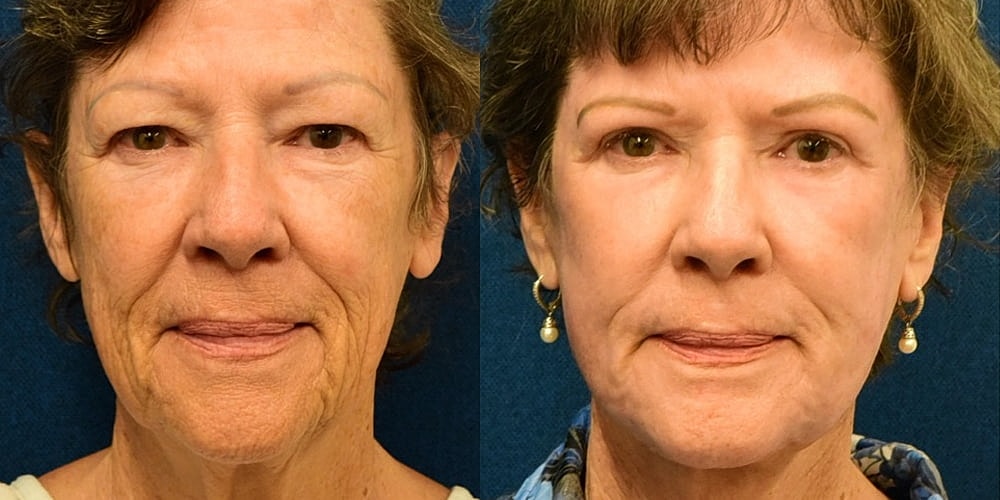
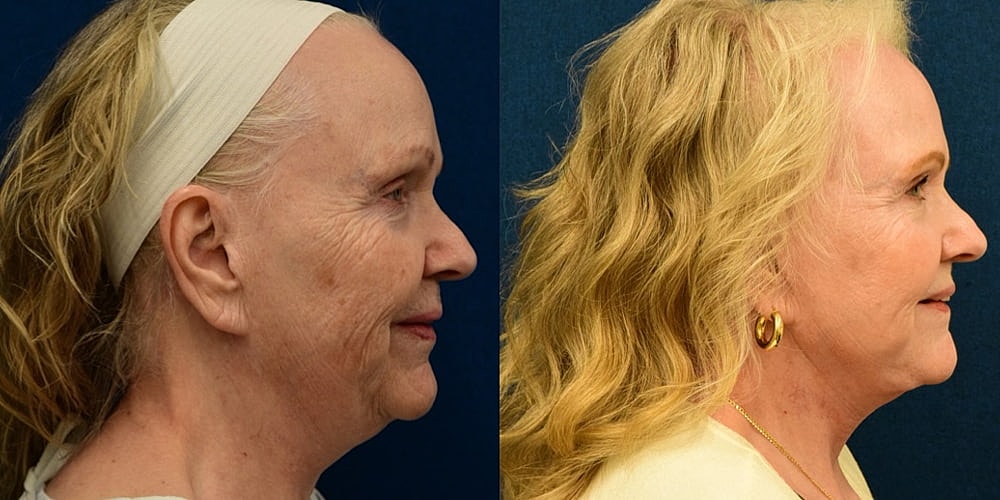
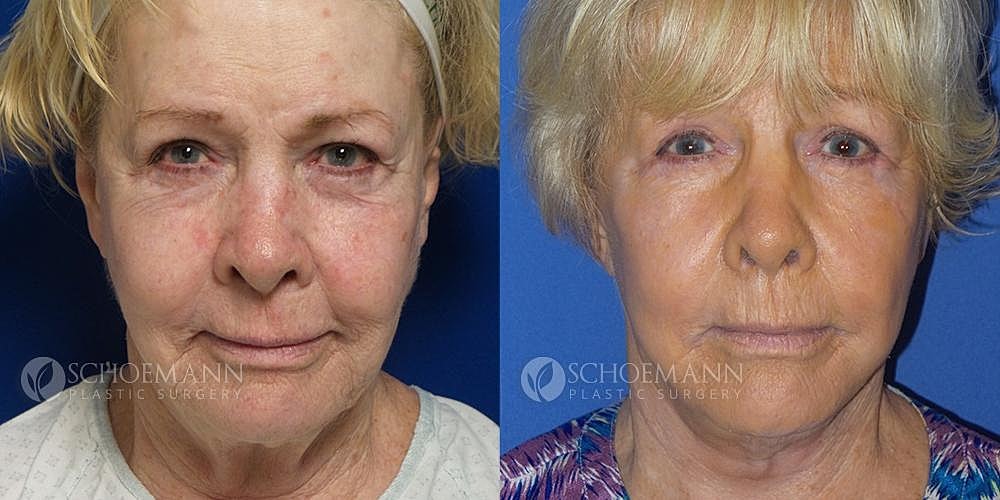
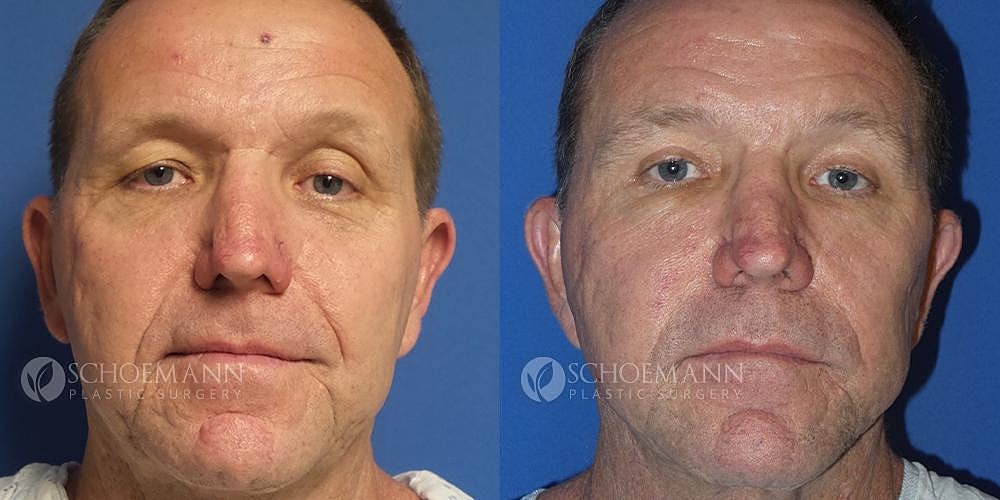
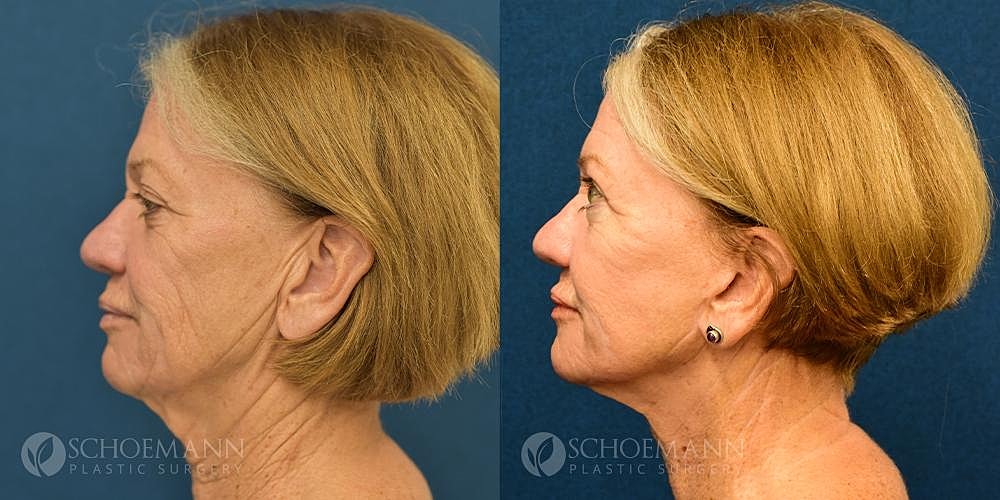
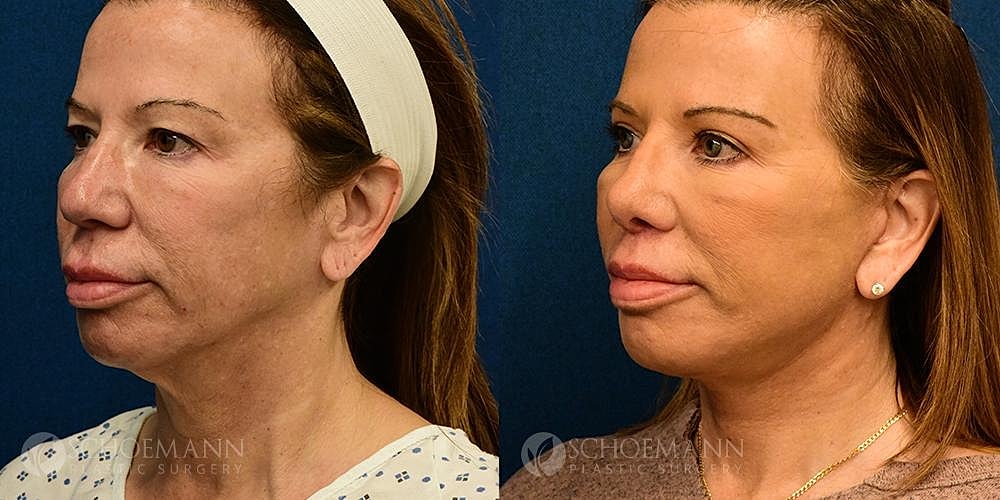
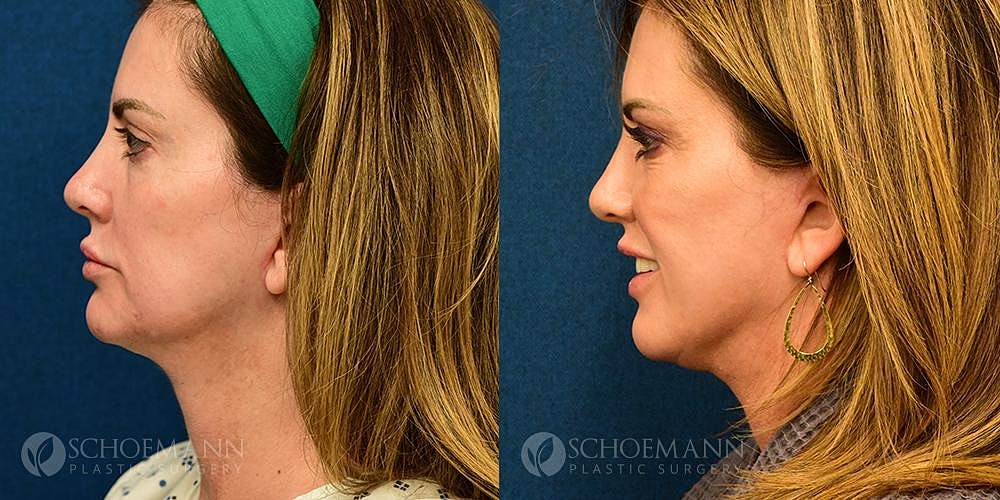
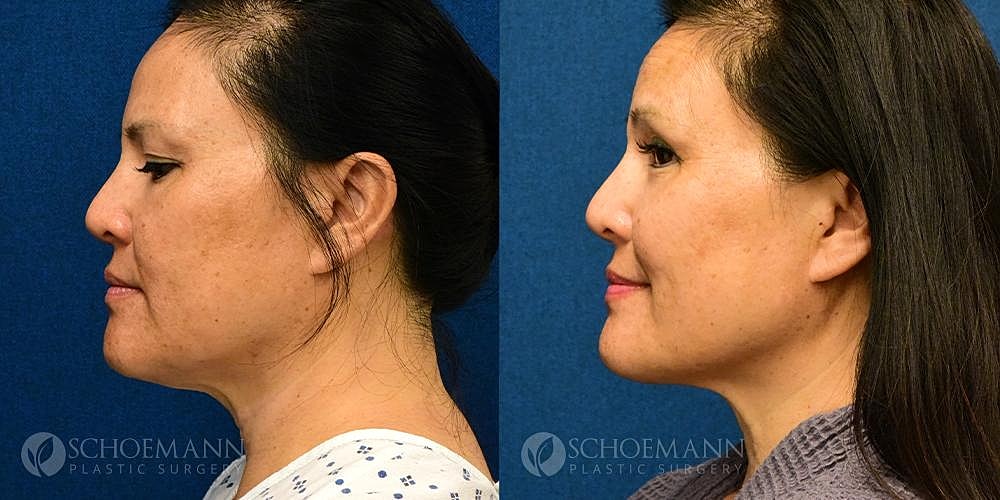
A facelift in San Diego should look like better facial balance, not a new identity. Cleaner neck. Softer jowls. Less heaviness around the mouth. A face that still feels like yours.

A facelift is a surgical procedure that lifts and repositions facial tissues, trims excess skin, and improves sagging skin in the lower face and neck. Modern facelift surgery focuses on deeper facial structures, not surface pulling, so the result can look natural instead of tight.
A facelift procedure is about support. That’s the part that gets lost in most online conversations.
Creams can help skin quality. Lasers can improve texture. Injectables can soften lines or restore volume. Skin tightening devices can help early laxity in the right patient. A surgical facelift does something different: it restores deeper support when the face has started to settle downward.
That’s why the best San Diego facelift results don’t look stretched. They look reset. The skin is smoother because the deeper facial tissues are doing their job again.
1 of 13
A facelift treats visible signs of facial aging caused by loose skin, sagging skin, jowls, deeper folds, and shifting facial tissues. It’s most helpful for the lower face and neck, where nonsurgical treatments tend to lose their power over time.
Most patients don’t come in asking for facial rejuvenation in the abstract. They come in because their jawline looks softer than it used to. The neck has started to fold in photos. The lower face looks heavier, even when their weight hasn’t changed. The face and neck are no longer moving at the same pace.
With a facelift San Diego patients can improve:
It doesn’t do everything. That’s a good thing to know early.
A facelift will not remove sun spots, fix every fine line, or change skin texture on its own. San Diego sun exposure has its own footprint. For that, patients may need laser resurfacing, microneedling, medical-grade skin care, or another skin-focused treatment after the face has healed.
Structure first. Skin second.

Facial aging happens in layers. Skin elasticity changes, facial fat shifts, facial muscles loosen, and underlying tissues lose support. As deeper facial structures move, the lower face can look heavier, the jawline can blur, and loose skin can become more visible.
The face doesn’t age like a bedsheet getting wrinkled. That would be easier.
Aging changes the skin, fat, ligaments, muscle support, and bone structure. Over time, the cheeks may settle lower. The jawline may lose its clean edge. The neck may collect loose skin. The folds around the mouth may deepen.
This is where many patients get frustrated with nonsurgical treatments. Filler can help hollow areas, but too much filler in a face that needs lifting can make the face look puffier. A liquid facelift has a place, but it cannot reposition deeper facial tissues or remove excess skin.
Skin tightening can help with mild laxity. It has limits.
A facelift is the more honest answer when the real issue is support. The goal is not to make the face look tight. The goal is to put the right tissues back where they belong and let the skin follow.


A deep plane facelift repositions deeper facial tissues beneath the skin to improve the cheeks, jawline, and lower face in a more connected way. Deep plane facelift surgery can create natural-looking results because the lift comes from deeper support rather than skin tension.
The deep plane facelift has become one of the most searched terms in facial plastic surgery, and for good reason. People have seen enough pulled faces to know they want something better.
A deep plane facelift works under the skin, where the deeper facial structures have shifted. Instead of stretching the skin over the face, the deep plane technique releases and repositions the support layer. For the right patient, this can soften jowls, improve midface descent, and restore a smoother transition from cheek to jawline.
Deep plane facelift repositions the tissue in a way that can look more natural because the face is not being treated like a flat surface. It is three-dimensional. It moves. It has weight, muscle, and expression.
Still, deep plane is not a magic phrase. It’s a surgical approach that needs expert judgment.
Some patients are excellent candidates for deep plane facelift surgery. Others may be better suited for a SMAS facelift, a mini facelift, a neck lift, eyelid surgery, brow lift, or a more customized combination of facial procedures. The right plan depends on facial anatomy, skin quality, skin elasticity, laxity, and goals.
The tissue decides.
Traditional facelift, SMAS facelift, and deep plane facelift methods all address facial aging, but they differ in how the deeper facial tissues are handled. The best method depends on the patient’s anatomy, looseness, skin quality, and the amount of correction needed.
Older facelift methods often relied too much on pulling the skin. That is where the tight, shiny, windblown look came from. The skin was asked to do too much work.
Modern facelift surgery is different. The stronger work happens underneath.
A SMAS facelift adjusts the supportive layer connected to facial muscles and underlying tissues. A deep plane facelift goes deeper, releasing and repositioning a broader layer of facial tissues. A traditional facelift can mean different things depending on the surgeon, which is why the consultation matters more than the label.
The best facelift methods share one principle: the skin should not be carrying the lift. When deeper support is restored first, the skin can be redraped with less tension. That can help reduce visible scarring and support a more natural appearance.
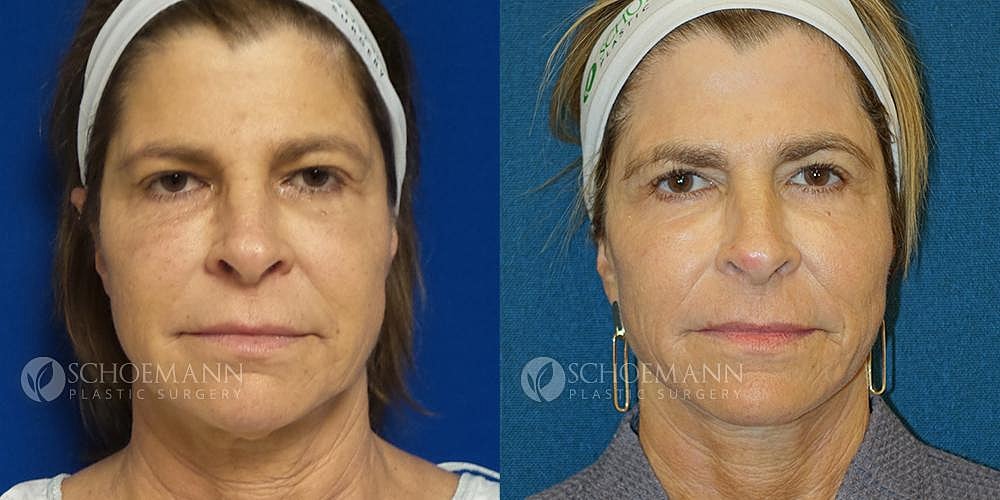
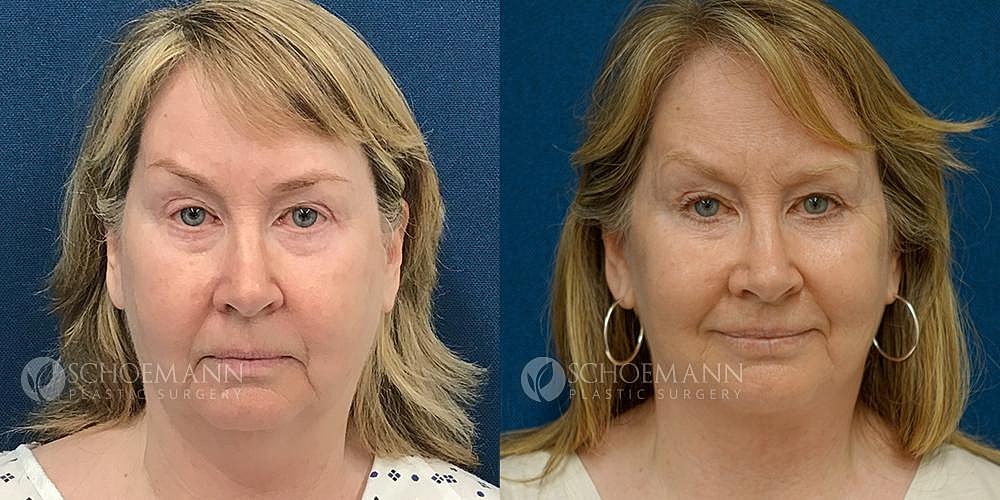
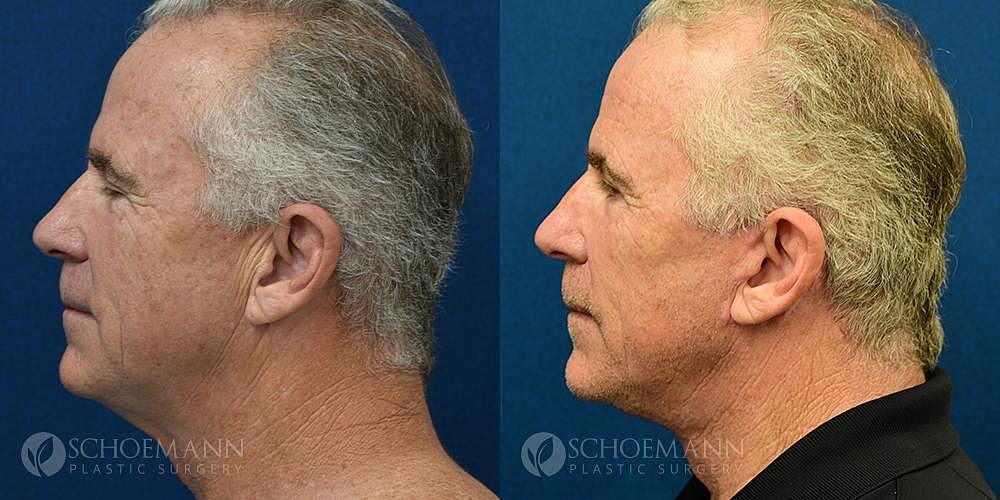
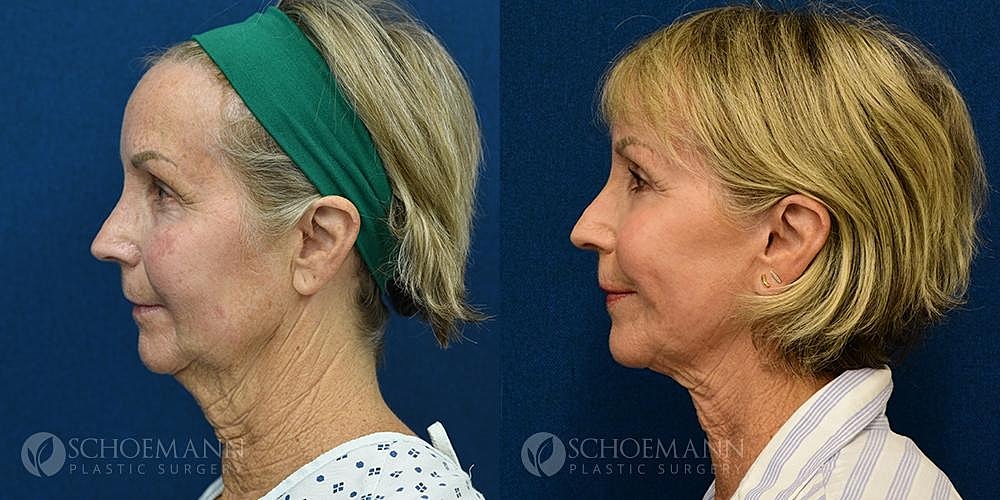
A good facelift in San Diego should look better in motion, not just in a before-and-after photo.
Good facelift candidates have loose skin, sagging skin, jowls, lower facial heaviness, or neck laxity that no longer responds well to nonsurgical care. Candidates should be healthy enough for elective surgery and have realistic expectations about healing, scars, and recovery.
Many patients reach our San Diego facelift surgery after trying other treatments first. Botox. Filler. Laser. RF tightening. Threads. Maybe even a liquid facelift. Those options can be useful, but they cannot solve every structural issue.
You may be a good candidate for facelift surgery if you have:
A facelift may not be the right move if your main concerns are surface texture, brown spots, tiny lines, or mild volume loss. Those may need skin resurfacing, injectables, or regenerative treatments instead.
We also turn patients away when the requested procedure does not match the tissue. A mini facelift cannot do the work of a full surgical facelift. A device cannot lift what needs surgery. Filler cannot remove excess skin.
That honesty saves time, money, and disappointment.


A mini facelift is a smaller surgical facelift for early jowling, mild loose skin, and subtle lower-face laxity. A mini facelift procedure can refine the jawline in the right patient, but it cannot correct heavy sagging skin or advanced neck laxity.
The mini facelift gets a lot of attention because it sounds convenient. Smaller procedure. Shorter recovery. Less drama.
For the right person, that can be true.
A mini facelift may work well for someone with early lower-face changes, decent skin elasticity, and mild jowling. It can sharpen the jawline and clean up small areas of laxity without the same level of correction as a full facelift.
The issue is that many patients ask for a mini facelift when they need something more structural. If the neck is loose, the jowls are heavy, or the lower face and neck have aged together, a mini facelift will likely under-correct the problem.
Small surgery still has to be smart surgery.
A mid facelift focuses on the cheek area and central facial support. It can help patients with cheek descent, heavier nasolabial folds, and a tired midface shape, especially when the lower face is not the only concern.
The midface is where subtle changes can make a major difference. When cheek tissue drops, the face can look tired even when the skin still looks good. The nasolabial folds may deepen. The lower eyelid and cheek transition may look less smooth.
A mid facelift can restore support through the center of the face. It is not the same as adding filler. Filler adds volume. A mid facelift improves position.
That distinction matters.
Some patients need midface support as part of a deep plane facelift. Others may need eyelid surgery, fat transfer, or skin resurfacing along with cheek support. The right choice depends on how the upper, middle, and lower face relate to one another.
Facial harmony is the point.
A lower facelift and neck lift can improve jowls, loose neck skin, sagging under the chin, and a blurred jawline. The lower face and neck are often treated together because the tissue changes tend to connect across both areas.
A lot of patients say they want their jawline back. What they usually mean is that the lower face and neck no longer have a clean break between them.
A neck lift can address loose skin, banding, fullness under the chin, and laxity below the jaw. A facelift can improve jowls and lower-face descent. Together, they can restore a cleaner contour from the cheek to the jaw and from the chin into the neck.
This is especially common for San Diego facelift patients who still feel active and healthy, but see heaviness in photos that does not match how they feel. The goal is not a razor-sharp neck that looks artificial. The goal is a natural contour that makes sense on the patient’s face.
No hard edges. No pulled skin.
For a facelift San Diego patients can combine it with eyelid surgery, brow lift, neck lift, facial fat transfer, laser resurfacing, or chin implant surgery when those procedures support facial harmony. Combination planning should improve balance without adding surgery that does not earn its place.
A facelift mainly addresses the lower face and neck. It doesn’t correct every part of the face. That’s why combination planning can be useful.
Common facelift combinations include:
The important part is restraint. More procedures do not automatically mean better results. A facelift plan should solve what is actually creating the imbalance.
Sometimes that means adding eyelid surgery. Sometimes it means leaving the eyes alone.

Facelift preparation includes medical clearance, medication review, nicotine avoidance, recovery planning, and clear instructions for the days before surgery. Good preparation supports safer anesthesia, smoother healing, and better postoperative care.
Preparation is not glamorous. It matters anyway.
Before facelift surgery, patients usually complete:
The better the setup, the less chaotic the first week feels.
During a facelift procedure, incisions are placed around the hairline, ears, and natural creases. Deeper facial tissues are lifted and secured, excess skin is removed, and the skin is closed with careful tension control to support natural contours and minimal scarring.
A facelift is usually performed with general anesthesia or intravenous sedation. The choice depends on the surgical plan, length of surgery, patient health, and whether other procedures are being performed.
The steps may include:
After surgery, most patients describe tightness, pressure, swelling, and deep soreness. The face may feel firm or strange at first. That is normal.
It looks worse before it looks good.
Facelift scars are placed around the ears, hairline, and natural creases so they can fade into existing contours. Minimal scarring depends on incision design, skin quality, tension control, sun protection, and how the patient heals.
Facelift scars should be part of the conversation from the beginning. Anyone pretending scars do not exist is selling fantasy.
The goal is smart placement and low-tension closure. Hairline position matters. Ear shape matters. Skin thickness matters. The way the incision wraps around the ear matters.
A stretched scar often means the skin was doing too much work. A better facelift places the main support in the deeper facial tissues so the skin can be closed without that tight, strained pull.
San Diego patients also need to take sun seriously during scar healing. UV exposure can darken scars and slow down fading. Hats, sunscreen, and common sense are part of scar care.
The incision is small. The planning is not.
Recovery after facelift surgery usually involves swelling, bruising, tightness, numbness, and activity restrictions. Most patients need 2–4 weeks before they feel comfortable in public, while deeper healing and scar maturation continue for several months.
The first week is not cute. That needs to be said.
Swelling can make the face look wider or uneven. Bruising can move downward. The jawline may feel tight. The ears may feel numb. Patients may feel better than they look, which can be frustrating.
A general recovery timeline looks like this:
Timeline | What Most Patients Can Expect |
|---|---|
| Days 1–2 | Rest, dressings, swelling, tightness, possible drains |
| Days 3–7 | Bruising and swelling become more visible |
| Weeks 1–2 | Sutures may be removed; swelling starts to soften |
| Weeks 2–4 | Many patients feel ready for light social plans |
| Months 2–3 | Contours look more settled |
| Months 6–12 | Scars continue fading; tissue continues softening |
Social downtime and physical downtime are different. A patient may feel well enough to answer emails before they want to sit under bright restaurant lighting in Little Italy, La Jolla, or Del Mar.
Most patients can take short walks early, once cleared. Strenuous exercise waits. So do sauna sessions, heavy lifting, intense cardio, and anything that spikes swelling.
Healing has its own pace.
Facelift results appear in stages. Early improvement becomes visible as swelling decreases during the first few weeks, while final facial rejuvenation continues for several months as deeper facial tissues settle, scars fade, and skin tension softens.
The first visible change is usually the jawline. Then the neck begins to look cleaner. The lower face starts to feel less heavy. The cheeks and mouth region settle more gradually.
At first, the face may look swollen or slightly too firm. This is not the final result. By two to three months, many patients look much more natural in motion. By six months and beyond, scars and tissue softness continue improving.
A good facelift should keep getting better as it stops looking like recovery.
The goal is a natural appearance, not a dramatic reveal.
Facelift results are long-lasting, but the face continues to age. Skin quality, sun exposure, weight changes, genetics, maintenance care, and lifestyle all influence how long a surgical facelift result remains visible.
A facelift does not freeze the face in time. It resets the structure to a better position.
Many patients keep their results looking strong with sunscreen, medical-grade skin care, injectables, laser resurfacing, and healthy weight stability. Some may choose smaller maintenance treatments later. Others may never want another surgical procedure.
San Diego adds one major variable: sun. Daily UV exposure affects collagen, pigment, skin elasticity, and scar fading. A facelift can restore structure, but the skin still needs protection.
That part is nonnegotiable.
A facelift surgically repositions deeper facial tissues and removes excess skin. A liquid facelift uses injectables to restore volume or refine selected contours, but it cannot correct significant loose skin, jowls, or deeper facial structure descent.
Option | Best For | Limits |
|---|---|---|
| Surgical Facelift | Jowls, loose skin, lower face and neck laxity, deeper tissue descent | Requires surgery, downtime, and scars |
| Liquid Facelift | Mild volume loss and contour refinement | Cannot remove excess skin or reposition deeper tissues |
| Skin Tightening | Mild laxity and early texture change | Limited for advanced sagging skin |
| Mini Facelift | Early jowling and mild lower-face laxity | Not enough for heavy neck laxity or advanced aging |
A liquid facelift can be useful for the right patient. It can also go sideways when filler is used to solve a lifting problem.
This is where a facial plastic surgeon’s judgment matters. If volume loss is the issue, filler may help. If tissue descent is the issue, filler may make the face look heavier. If loose skin is the issue, a surgical procedure is usually the cleaner path.
The face gives clues. We listen to them.
Facelift costs in San Diego depend on the facelift technique, anesthesia, operating time, neck involvement, tissue laxity, combined procedures, and the amount of correction required. A precise quote requires consultation because the cost follows the physical work.
A mini facelift is different from a deep plane facelift with neck lift. A patient with mild jowling needs a different amount of surgical work than someone with heavy, loose skin, deep creases, and lower face and neck laxity.
Facelift costs may be affected by:
We do not quote facelift pricing over the phone. A number without seeing the tissue is a guess, and guessing is not medicine.
During consultation, Dr. Schoemann evaluates facial structure, skin quality, skin elasticity, the neck, the jawline, and the degree of loose skin. Then the team provides a clear quote based on the actual plan.
No bait pricing. No vague package talk.

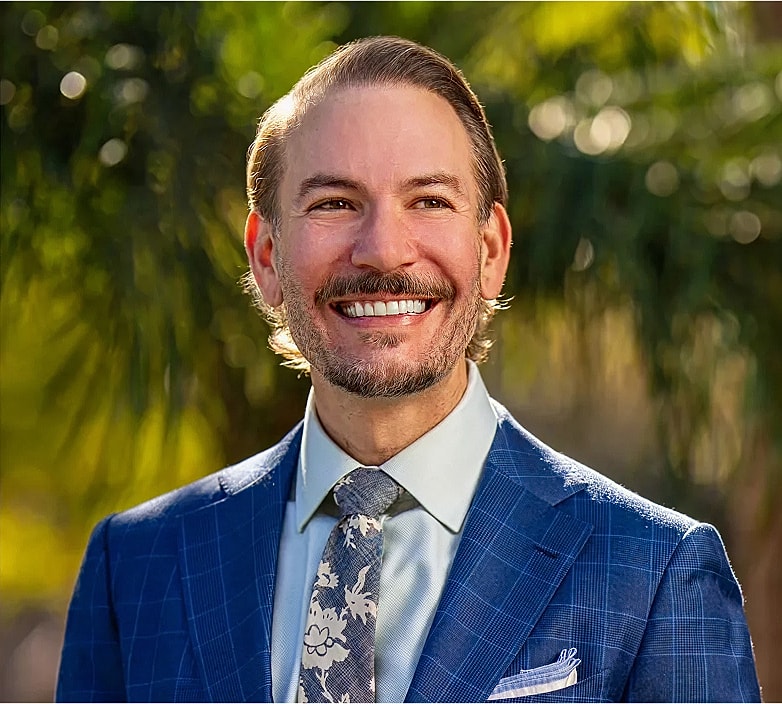
Schoemann Plastic Surgery offers facelift surgery through the perspective of Dr. Mark Schoemann, a board-certified plastic surgeon with experience in plastic surgery, reconstructive surgery, facial anatomy, and surgical facial rejuvenation. The practice focuses on natural results, structural correction, and patient selection.
A facelift is not a skin-pulling operation. At least, it should not be.
Dr. Schoemann looks at the deeper facial tissues, the lower face and neck, the way the jawline has changed, and how much correction the skin can handle. The plan is built around natural-looking results and facial harmony, not a one-size technique.
That matters for San Diego patients who want the work to be good and hard to spot. Many have already tried medspa treatments, skin tightening, filler, Botox, or a liquid facelift. Some of those treatments still have value. Some have hit their limit.
The consultation is where that gets sorted.
Schoemann Plastic Surgery is located in Encinitas, a short drive from San Diego, La Jolla, Del Mar, Carlsbad, Solana Beach, Oceanside, and other North County communities. Patients choose the practice for surgical precision, direct guidance, and a more natural appearance that fits the way people actually want to look here.
Clean. Rested. Still themselves.
A facelift should feel like a clear decision, not a sales pitch. If loose skin, jowls, or lower face and neck laxity have moved past what injectables or skin tightening can handle, a surgical conversation may be the most useful next step.
To schedule a facelift consultation with Dr. Mark Schoemann at Schoemann Plastic Surgery, call (760) 487-2520 or request an appointment online.
Facelift costs depend on the technique, anesthesia, operating time, neck involvement, and any combined facial procedures. A mini facelift costs less than a deep plane facelift with neck lift or eyelid surgery. Consultation is required for a real quote.
A deep plane facelift can be better for selected patients because it repositions deeper facial tissues instead of relying on skin tension. A traditional facelift or SMAS facelift may still be appropriate depending on facial anatomy, skin quality, and the amount of correction needed.
Facelift scars are placed around the ears, hairline, and natural creases to reduce visible scarring. Scar quality depends on incision planning, closure technique, skin quality, sun protection, and healing. Most scars fade over several months.
A facelift can improve the upper neck and jawline, but significant neck laxity usually needs a neck lift. Many patients benefit from treating the lower face and neck together because both areas age as one connected structure.
A mini facelift treats early jowling and mild lower-face laxity. A full facelift addresses more advanced sagging skin, excess skin, jowls, and deeper facial tissue descent. The right choice depends on the physical exam.
Some facelift procedures use general anesthesia. Others may use intravenous sedation. The decision depends on the surgical plan, patient health, procedure length, and any combined procedures such as neck lift, eyelid surgery, or brow lift.
Yes. Eyelid surgery is often combined with facelift surgery when the upper or lower eyelids contribute to facial aging. A brow lift, neck lift, facial fat transfer, laser resurfacing, or chin implant may also be discussed if it supports facial balance.
Most patients plan 2–4 weeks of social downtime. Swelling, bruising, numbness, and tightness improve in stages. Deeper healing, scar fading, and tissue softening continue for several months.